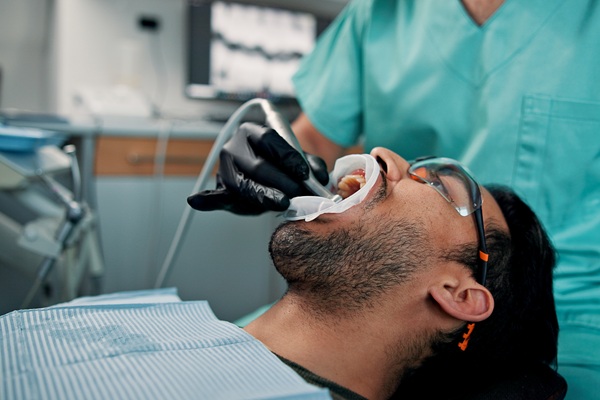
A healthy smile depends on more than daily brushing and flossing. If you are experiencing gum disease or severe plaque buildup, a deep teeth cleaning can restore your oral health. Unlike a standard dental cleaning, this treatment targets bacteria below the gumline and reduces the risk of serious oral health issues.
Understanding a deep teeth cleaning
Deep teeth cleaning, also known as scaling and root planing, is a dental procedure designed to treat gum disease. While a routine cleaning focuses on the surface of the teeth and along the gum line, this treatment addresses the areas beneath the gum tissue where bacteria accumulate, even with regular dental care and oral hygiene. Over time, plaque and tartar can harden, creating pockets between the teeth and gums that can lead to inflammation and infection. By carefully cleaning these areas, the dentist can remove this harmful buildup and encourage gum tissue healing.
Dental professionals often recommend this type of dental cleaning when they detect signs of gingivitis or periodontitis. It is more intensive than a regular cleaning. However, deep teeth cleaning is an important procedure that can prevent gum disease from progressing and preserve the patient's natural teeth.
Why deep teeth cleaning matters
Gum disease is one of the leading causes of tooth loss in adults. It typically does not cause noticeable symptoms, allowing it to progress silently when left unaddressed. By addressing gum infection in its early stages, this procedure helps protect the foundation of oral health.
In addition to oral benefits, there is a connection between gum disease and overall health. Chronic inflammation can worsen health conditions such as heart disease, diabetes, and respiratory issues. Fortunately, a deep cleaning reduces the presence of bacteria and inflammation, which can have a positive effect on the patient's general health.
This treatment also helps prevent the need for more invasive dental procedures in the future. Without diagnosis and treatment, gum disease can progress to an advanced stage where the patient may require extensive surgical treatments or extractions. Early care, including scaling and root planing, preserves the natural teeth and supports healthier gum tissue.
Preparing for a deep teeth cleaning
Before the procedure, a dentist will typically perform a thorough examination, including X-rays, to assess the extent of the gum disease. These images allow the dentist to design a tailored treatment plan that addresses the specific needs of the patient. The patient should also be open about their medical history, as systemic health factors can have an adverse effect on the their gum health.
What to expect during the procedure
The deep cleaning process is typically completed in multiple steps. First, the dentist will numb the treatment area with a local anesthetic to minimize discomfort during the cleaning process. The scaling stage involves using specialized instruments to remove plaque and tartar from both above and below the gumline. This step in the cleaning process is thorough, as accumulated bacteria can lodge deep within gum pockets.
Following scaling, the dental team will perform root planing to smooth the root surfaces of the teeth. This part of the treatment helps the gums reattach to the teeth while making it more difficult for bacteria to collect in the future. Depending on the severity of the patient's condition, the dentist may need to complete the procedure over one or two appointments.
Patients may notice mild tenderness or sensitivity afterward. Fortunately, this typically subsides on its own within a few days. The dentist will often recommend antimicrobial rinses or medications to support healing and reduce the risk of reinfection as the tissue heals.
Supporting gum health after a deep teeth cleaning
Following a deep cleaning, maintaining gum health requires consistent care. Daily brushing, flossing, and regular dental visits remain critical. However, the dentist may recommend adjustments in their technique to avoid irritation. They may also recommend using antimicrobial rinses, special toothpaste, or other products to reduce the buildup of bacteria in the patient's mouth and along their gumline. In addition, a nutrient-rich and balanced diet that is low in sugar can strengthen the patient's teeth and gums.
Long-term benefits of deep teeth cleaning
One of the most significant benefits of deep teeth cleaning is its long-term impact. Healthier gums provide stronger support for teeth, reduce bleeding, and contribute to fresher breath. The procedure also improves the effectiveness of the patient's oral hygiene routine, making it easier for them to keep their teeth and gums clean.
With the right follow-up care, many individuals may also experience a reduction in gum pocket depth, lowering the risk of recurring infections. The dentist may schedule maintenance appointments every three to four months to monitor the patient's progress and prevent bacteria from returning. These consistent check-ins are an essential part of managing gum health.
Learn more about deep teeth cleaning at Dentistry on Park, LLC
Deep teeth cleaning is a powerful procedure in the fight against gum disease. Do you have further questions about deep teeth cleaning at Dentistry on Park, LLC? Call our Sharon office to learn more or to schedule an appointment.
Request an appointment here: https://dentistryonpark.com or call Dentistry on Park, LLC at (781) 443-8131 for an appointment in our Sharon office.
Check out what others are saying about our dental services on Yelp: Dental Cleaning and Examinations in Sharon, MA.
Recent Posts
Maintaining optimal oral health involves more than daily brushing and flossing. Deep cleaning plays a critical role in preserving gum health and preventing long-term complications such as periodontal disease. This advanced dental procedure goes beyond routine cleaning to target bacteria and plaque beneath the gumline, helping patients maintain a healthy mouth and a confident smile.Deep…
A healthy and clean mouth requires more than brushing and flossing daily. Professional deep teeth cleanings can help prevent severe oral health issues, particularly beneficial for those with moderate to severe gum disease or plaque buildup. Deep teeth cleanings address issues that regular cleanings may miss or not be able to fully address, promoting healthier…
Even though regular dental cleanings are important for oral health, many people fail to prioritize them. A recent National Health Interview Survey revealed that more than 30% of American adults have not had a dental checkup in over one year, even though the American Dental Association recommends seeing a dentist at least once every six…
A deep teeth cleaning, also referred to as gum therapy, may be recommended in dental care to clean the gums and teeth down to the roots. While regular teeth cleaning is a form of preventative maintenance, a deep cleaning can treat gum disease.Deep cleaning may be necessary when a patient does not have regular professional…