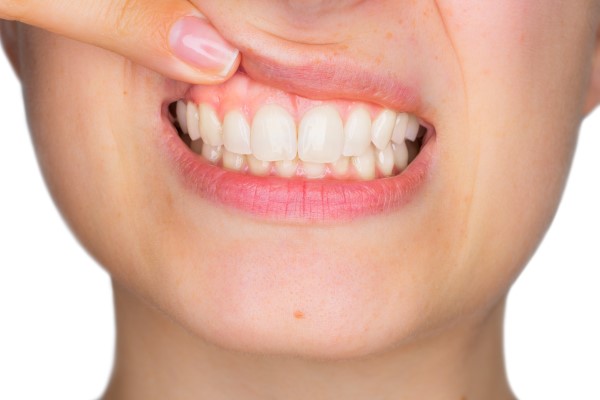
Gum disease treatment helps protect the teeth, support healthier gums, and reduce the risk of long-term damage caused by infection and inflammation. Many patients are surprised to learn how common gum disease can be — especially early-stage gum disease. What begins as mild gum irritation may gradually affect the tissues and bone that support the teeth. A family dentist can identify the stage of the condition and recommend treatment that helps restore a healthier foundation for the smile.
How gum disease starts
Gum disease does not always begin with pain, which is one reason it can go unnoticed by patients for too long. In the earliest stage (gingivitis), patients may see only slight redness along the gumline or notice bleeding when brushing and flossing. Others start to notice tender gums, swollen gums, or breath that is hard to keep fresh.
Unfortunately, these symptoms may seem small at first, but they can signal that bacteria and plaque have already started to irritate the gum tissue. A family dentist can treat the issue and, if done early enough, reverse gingivitis.
Why early gum disease treatment matters
The earlier gum disease is detected, the easier it is to manage. As mentioned, the earliest stage of gum disease (gingivitis) is reversible. That means avoiding more serious damage to the gums and the supporting bone around the teeth. Early care also helps reduce bleeding, swelling, and the discomfort that can develop as inflammation increases. Many patients respond well when gum disease treatment starts before the condition has time to progress.
Prompt care matters for another reason, as well. Gum disease can affect more than the appearance of the gums. As the infection progresses, teeth may feel loose, sensitive, or harder to clean properly. Thus, treating the problem early helps protect the overall stability of the smile and may reduce the need for more extensive procedures later.
What happens if my gum disease is already irreversible?
Irreversible gum disease does not mean treatment no longer helps. It means the condition has progressed beyond gingivitis to periodontitis, in which the infection has already damaged the tissues and supporting bone around the teeth. At that stage, treatment cannot fully reverse the loss that has already occurred, but it can control the infection, reduce inflammation, slow or stop further damage, and help protect the remaining teeth.
This is why treatment still matters so much. Without care, periodontitis may progress even further, leading to deeper pockets around the teeth, persistent bleeding, gum recession, loose teeth, and tooth loss. A dentist can stabilize the condition and prevent additional complications.
How a family dentist treats gum disease at different stages
A family dentist tailors gum disease treatment based on the stage of the disease and the gums' response to care. Here is how a dentist would address:
Early-stage gum disease, or gingivitis
At this stage, gum disease treatment focuses on professional cleaning and improved home care. A dentist removes plaque and tartar from the teeth and along the gumline, then helps the patient improve brushing and flossing habits to help the gums heal. Because the condition is still reversible at this stage, many patients see bleeding, swelling, and tenderness improve once the bacterial buildup is removed and daily hygiene becomes more consistent.
Moderate gum disease
Once gum disease progresses into periodontitis, treatment typically becomes more involved. A dentist may recommend scaling and root planing, also known as a deep cleaning, to remove tartar and bacteria from below the gumline and smooth the root surfaces. This helps reduce pocket depth, makes it harder for bacteria to collect again, and gives the gums a better chance to reattach more closely to the teeth. In some cases, the dentist may prescribe an antimicrobial rinse or place antibiotics directly under the gums.
Late-stage gum disease
When advanced, gum disease treatment often focuses on controlling infection and preserving as much support for the teeth as possible. A dentist may continue with deeper periodontal care and may refer for or coordinate surgical treatment when pockets remain deep or tissue and bone damage become more severe. At this stage, patients may also need more frequent dental cleanings to maintain the stability of their smile.
Learn more about gum disease treatment
Gum disease treatment can help control infection, reduce inflammation, and protect the teeth and gums from more serious damage. A family dentist can recommend the right level of care, then guide patients through a treatment that fits their needs. Contact us today for more information.
Request an appointment here: https://dentistryonpark.com or call Dentistry on Park, LLC at (781) 443-8131 for an appointment in our Sharon office.
Check out what others are saying about our dental services on Yelp: Gum Disease in Sharon, MA.
Recent Posts
Most people have experienced seeing red on the bristles of their toothbrush, or a pink tint in the sink when they expectorate after brushing. It is normal to feel a bit of concern when noticing blood in the mouth because bleeding gums are a symptom commonly associated with gum disease. However, while chronic bleeding gums…
Gum disease starts with the growth of bacteria in the mouth. When brushing or flossing does not remove this bacteria, harmful plaque accumulates and hardens into tartar. The collection of tartar along the gum line results in gingivitis, which can worsen into periodontal disease. Symptoms of this disease can be mild in the early stages,…
Gum disease is also known as periodontal disease. This is a condition that causes inflammation of the tissue around the patient’s teeth. It is caused by bacteria building up in the area. Keep reading to learn about some of the symptoms of this condition.Periodontal disease is a progressive condition, meaning it gets worse over time.…
Routine dental checkups often include preventive measures that go beyond cleaning teeth. An example is the oral cancer screening. General dentists recommend these screenings to detect early signs of oral cancer, which can significantly improve treatment outcomes. Understanding the role of oral cancer screenings and what to expect during them can help you decide whether…