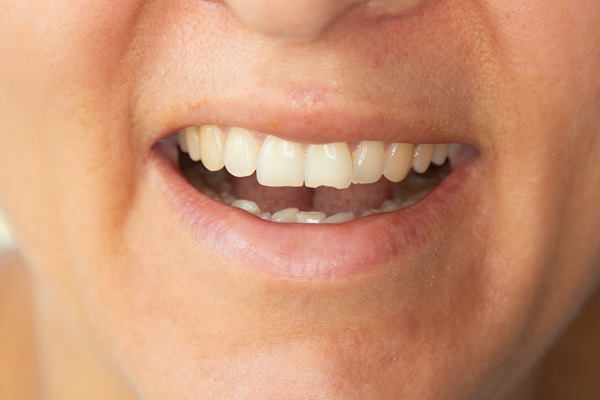
A broken tooth can be a stressful and uncomfortable experience, requiring prompt attention to prevent further damage or complications. Whether caused by an accident, biting into something hard, or untreated decay, addressing a broken tooth quickly is crucial to maintaining oral health. Understanding the steps to take after experiencing a broken tooth can help preserve the tooth and alleviate discomfort.
Recognizing the severity of a broken tooth
Not all broken teeth are the same, and the severity of the break determines the necessary treatment. Minor chips may only affect the enamel, while severe fractures can expose the tooth's inner layers, leading to pain and increased sensitivity. If the break causes sharp edges or visible damage, it is important to seek dental care immediately to avoid injury to the tongue or gums.
In some cases, a broken tooth may not cause immediate pain. However, even painless breaks can leave the tooth vulnerable to infection or further deterioration. Paying close attention to changes in appearance, sensitivity, or discomfort ensures patients receive the appropriate treatment promptly.
First steps to take when a tooth breaks
When a broken tooth occurs, immediate action can significantly affect the outcome. Following these steps provides temporary relief while preparing for professional dental care:
- Step 1: Rinse the Mouth. Use warm water to gently rinse the mouth, removing debris and reducing the risk of infection.
- Step 2: Control Bleeding. If the break causes bleeding, applying gentle pressure with a clean gauze or cloth can help stop it.
- Step 3: Protect the Tooth. Cover sharp edges with dental wax or sugar-free gum to prevent injury to the surrounding soft tissues.
- Step 4: Preserve Fragments. If a piece of the tooth has broken off, store it in a container with milk or saliva and bring it to the dental appointment.
These immediate measures help minimize discomfort and protect the tooth until professional treatment is provided.
Treatment options for a broken tooth
A general dentist evaluates the extent of damage to determine the most appropriate treatment. Modern dental techniques offer effective solutions for various breakages, restoring function and appearance. Common treatments include:
Dental Bonding
Dental bonding is a straightforward option for minor chips or cracks. A tooth-colored resin is applied and shaped to blend seamlessly with the natural tooth, providing an aesthetically pleasing result.
Crowns
In some cases, a dental crown may be necessary if a larger portion of the tooth is damaged. Crowns encase the entire visible portion of the tooth, restoring its shape and strength.
Root Canal Therapy
Root canal therapy may be required when a broken tooth exposes the pulp or nerve. This procedure removes the damaged pulp, cleans the tooth's interior, and seals it to prevent infection.
Extraction
Extraction may be the only viable option if a tooth is severely damaged beyond repair. The dentist can then discuss replacement options, such as dental implants or bridges, to restore the smile.
Preventing further damage
Protecting the tooth after treatment is essential to avoid additional issues. Following the dentist's recommendations for care and practicing good oral hygiene contribute to long-term success. Using a soft-bristled toothbrush, avoiding hard or sticky foods, and wearing a mouthguard during physical activities can reduce the risk of future damage.
Regular dental checkups are vital for individuals prone to tooth breakage. These visits allow the dentist to identify and address potential problems before they lead to fractures or other complications.
The importance of professional care
Attempting to treat a broken tooth at home or delaying professional care can result in unnecessary complications. Ignoring the issue may lead to infection, increased pain, and more extensive damage. Seeking prompt attention from a general dentist ensures the best possible outcome and prevents minor problems from escalating into major concerns.
Professional care also provides access to advanced diagnostic tools and treatment options. A broken tooth can be restored to full function and appearance with the right approach, allowing patients to maintain their oral health and confidence.
Get immediate care for a broken tooth
A broken tooth is a dental emergency that requires immediate attention to prevent further complications. Acting quickly, recognizing the severity of the break, and seeking professional care are essential steps in preserving oral health. With treatments like bonding, crowns, or root canals, a general dentist can effectively restore the tooth, ensuring comfort and functionality. Protecting the teeth from future damage through good oral hygiene and regular checkups helps maintain a healthy and confident smile. For more information, schedule a consultation visit today at Dentistry on Park, LLC.
To schedule a consultation, request an appointment on our website at https://dentistryonpark.com or call Dentistry on Park, LLC at (781) 443-8131 for an appointment in our Sharon office.
Check out what others are saying about our services on Yelp: Read our Yelp reviews.
Recent Posts
Of the many treatments available to replace missing teeth, dental implants are relatively recent and also very common. Tooth loss, whether from trauma or severe decay, can impact appearance and undermine a beautiful, confident smile. With a metal rod inserted into the jaw like the roots of the tooth and a prosthesis shaped like the…
Dental bridges are long-lasting tooth replacements. However, like anything, they sometimes need to be repaired or replaced. A general dentist can install, maintain, and repair bridges to help patients get the most out of these effective dental restorations.Before understanding dental bridge repair, it is important to understand how dental bridges work as a restorative treatment.…
Are you considering getting a dental bridge to replace a missing tooth? This prosthetic can work wonders, but like with all prosthetics, you might be wondering how you are supposed to maintain it so it lasts forever. Continue reading to find out more.Here are a general dentist's tips about caring for dental bridges. Reviewing this…
Implant-supported dentures replace a full arch of teeth with four to six implants. A removable or fixed full-arch bridge attaches to these implants to provide stable chewing and clear speech. There is no need for adhesives. This approach maintains a natural appearance and supports healthy bite and jaw function, helping patients feel comfortable eating and…